Skin Analysis Face diagnostics Machine
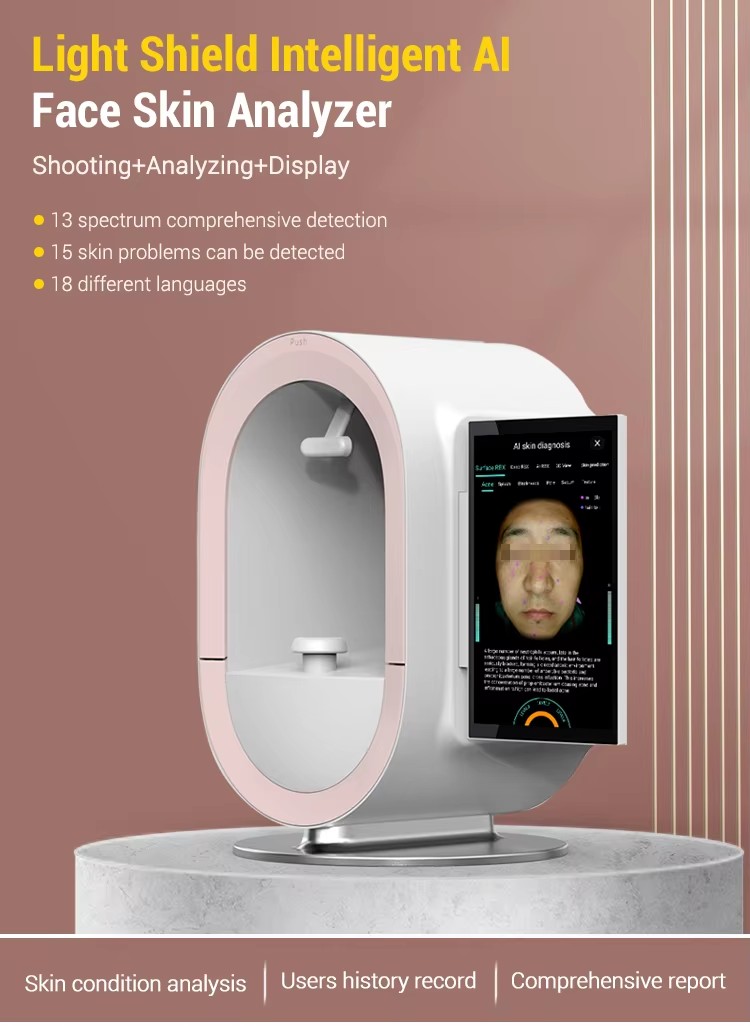
Skin Analysis Face diagnostics Machine: The Diagnostic Foundation for Aesthetic Medicine
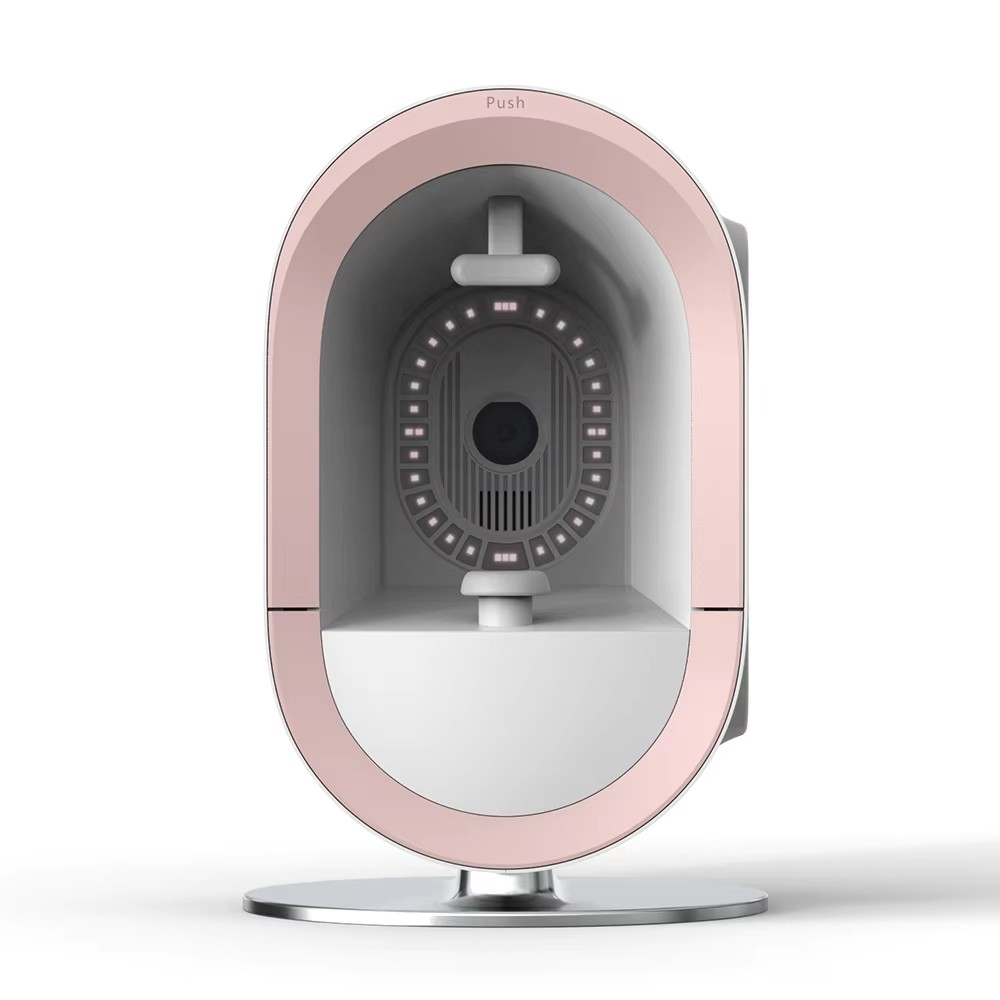
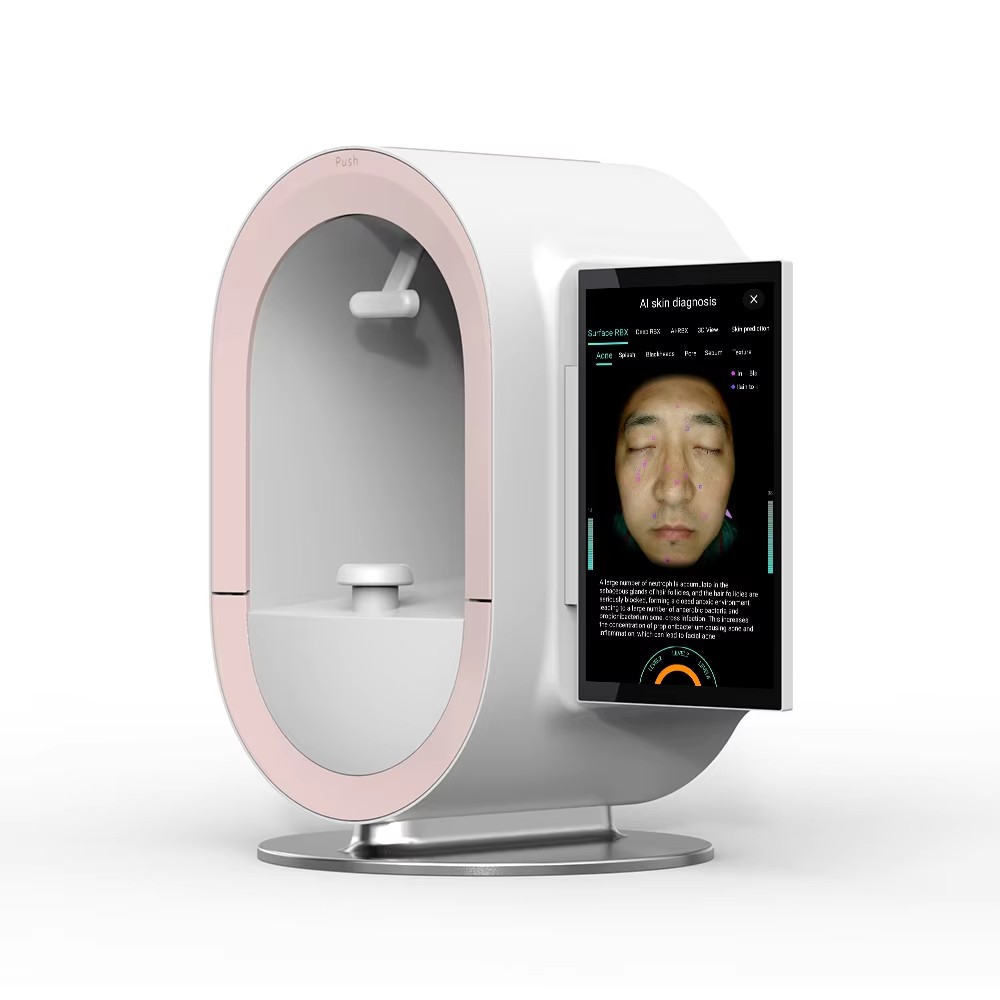
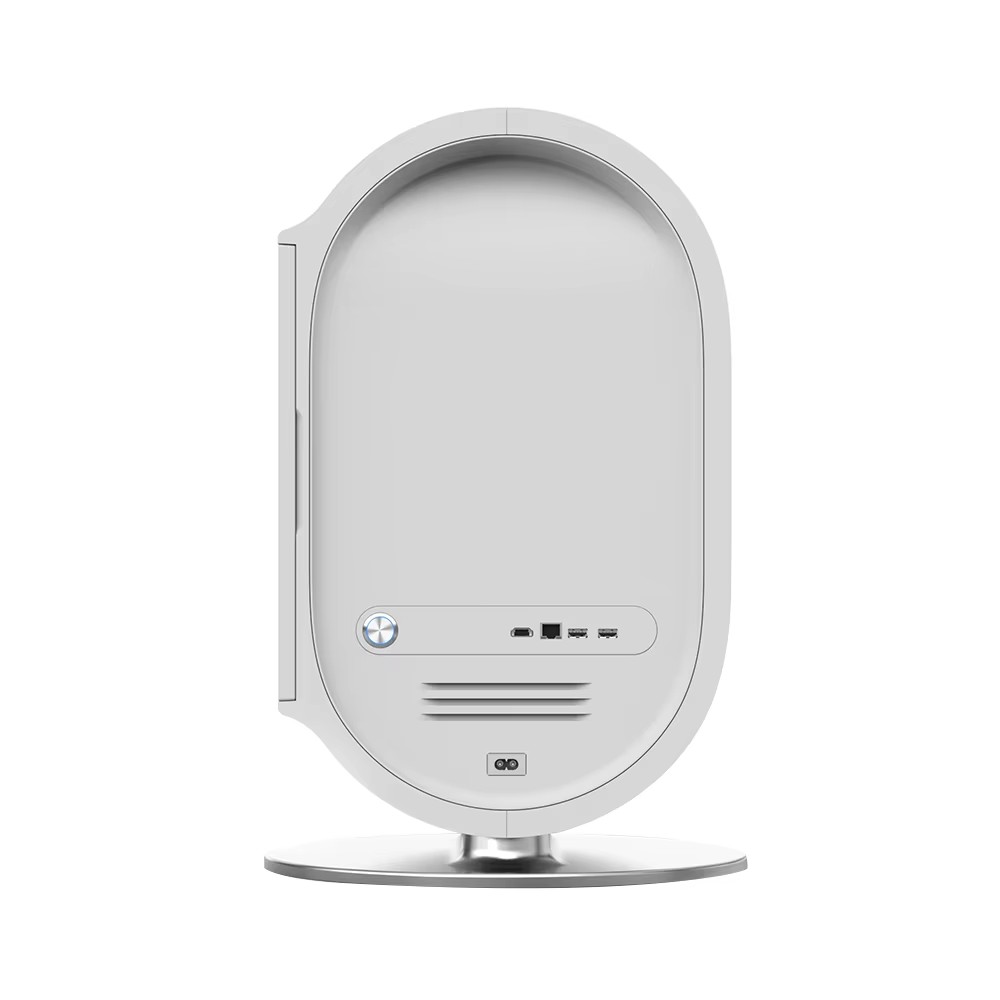
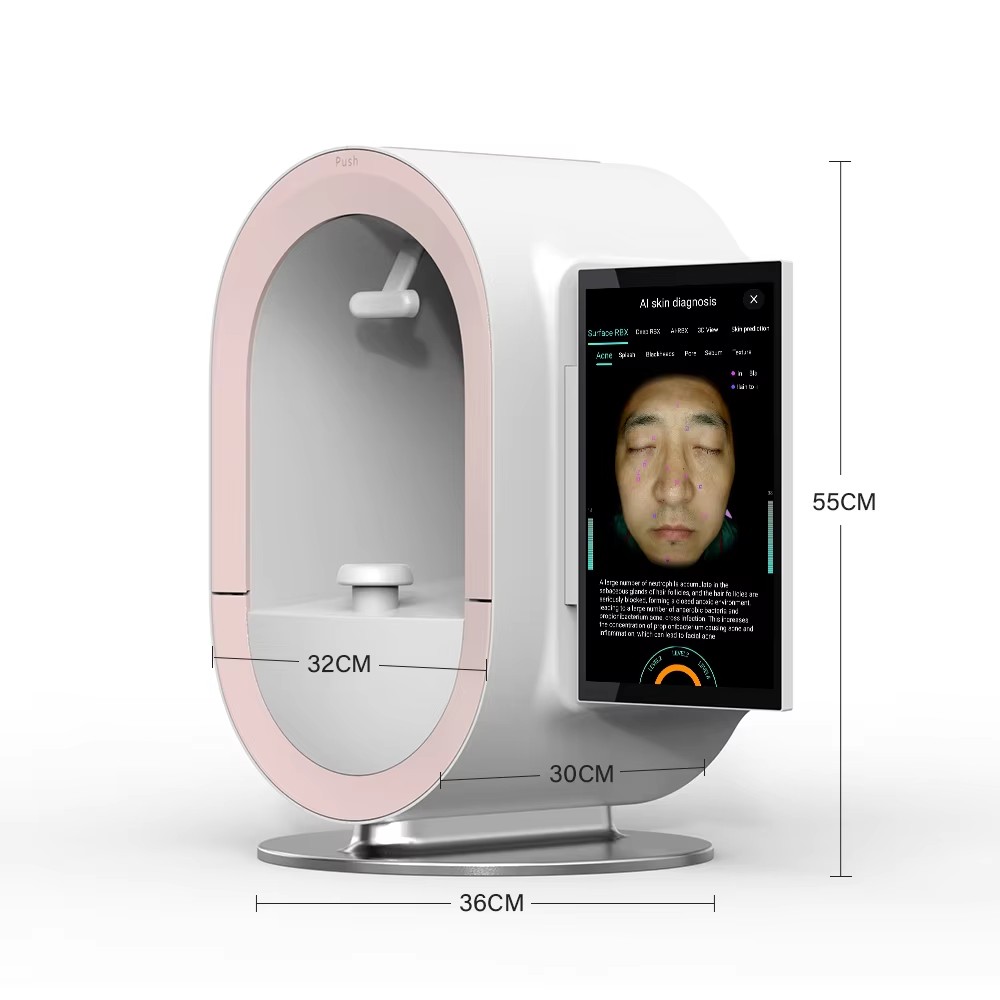
A Skin Analyzer (or Facial Imaging System) is a medical diagnostic device designed to assess the condition of a patient's skin objectively. Unlike visual examination or a magnifying lamp, these devices use advanced imaging technologies—typically multispectral lighting (e.g., RGB, UV, and PL/Polarized light)—to visualize skin conditions invisible to the naked eye.
In modern aesthetic clinics, the Skin Analyzer serves as the essential first step before treatments like HIFU (Ultraformer MPT), lasers, or injectables, allowing practitioners to create data-driven treatment plans and track results over time.
How It Works
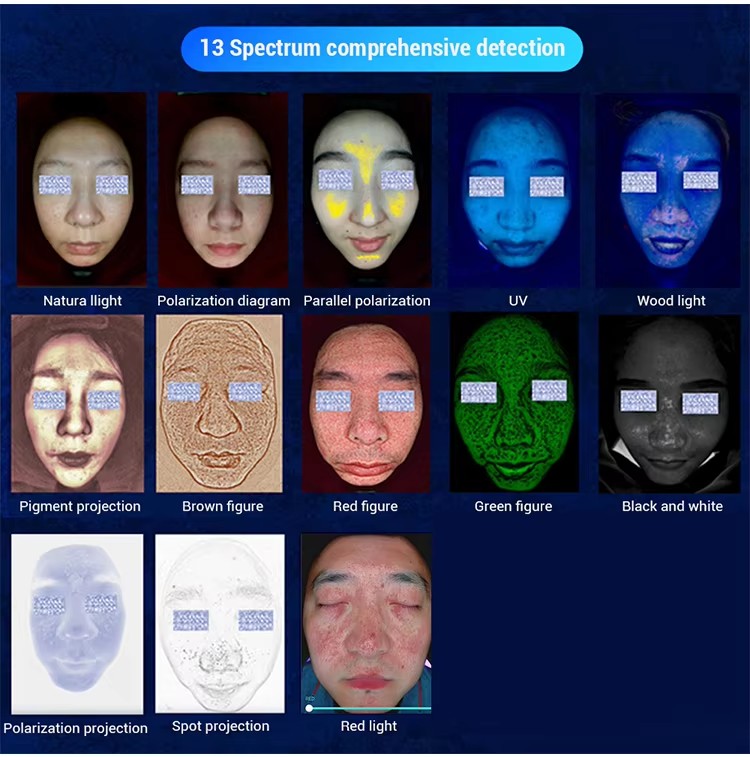
The device captures high-resolution images of the face (and sometimes body) using different light sources. Each light spectrum penetrates the skin to different depths and highlights specific skin components:
Light Mode Target / What It Reveals
Visible Light (Standard) Surface skin texture, pores, wrinkles, pigmentation, redness
UV Light Sun damage, photoaging, hidden pigmentation (melasma, freckles), sebum distribution, porphyrins (bacteria associated with acne)
Polarized Light Vascular conditions (rosacea, broken capillaries), inflammation, subsurface pigmentation
Wood’s Lamp / UV Bacterial infections, fungal issues, skin hydration levels
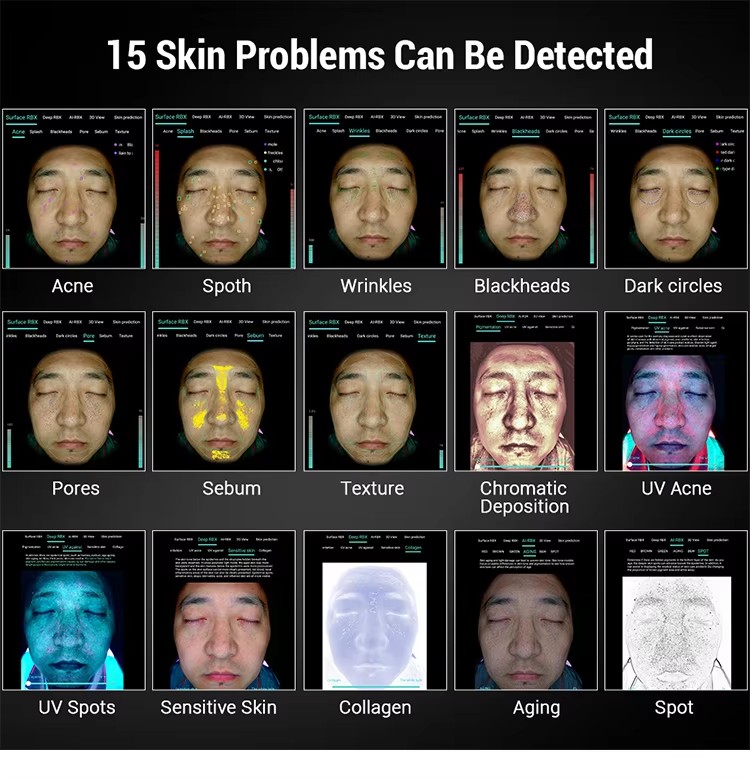
Advanced systems use AI algorithms to analyze the captured images, automatically quantifying features like pore size, wrinkle depth, UV spots, and porphyrin activity.
Key Features & Technology
Modern skin analyzers are distinguished by several key technologies:
Multispectral Imaging: The ability to capture images under multiple light sources (usually 3–5 different spectra) to provide a comprehensive skin assessment .
AI-Powered Analysis: Artificial intelligence compares the patient’s skin data against a large database of age-matched peers to provide objective scoring (e.g., "Your UV spots score is 85%, meaning better than 85% of peers your age").
High-Resolution Cameras: Medical-grade optics with resolutions of 10 megapixels or higher ensure precise visualization of fine details .
3D Simulation & Morphing: Some advanced systems can simulate potential results—such as wrinkle reduction or pore tightening—to help patients visualize treatment outcomes .
Cloud-Based Data Management: Secure patient records, progress tracking over multiple visits, and remote consultation capabilities .
Clinical Applications
Skin analyzers are used across a wide range of aesthetic and dermatological applications:
Treatment Planning
Before HIFU/Laser: Identify areas of collagen depletion, skin laxity, and pigmentation to customize energy settings and treatment depth .
Before Injectables: Map out dynamic wrinkles, volume loss, and facial asymmetry .
Before Chemical Peels: Assess skin barrier function, sensitivity, and the depth of pigmentation.
Patient Consultation & Education
Visual Proof: Patients can see their own UV damage or vascular issues on screen, which increases treatment acceptance rates.
Realistic Expectations: By showing baseline conditions, practitioners can set realistic expectations for what treatments like Ultraformer MPT can achieve .
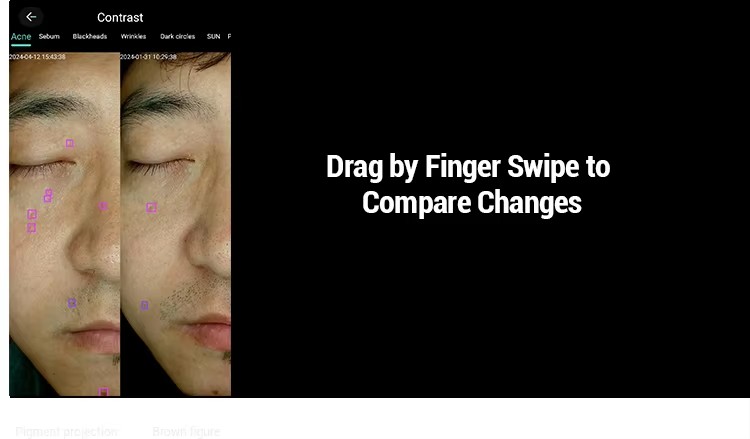
Progress Tracking
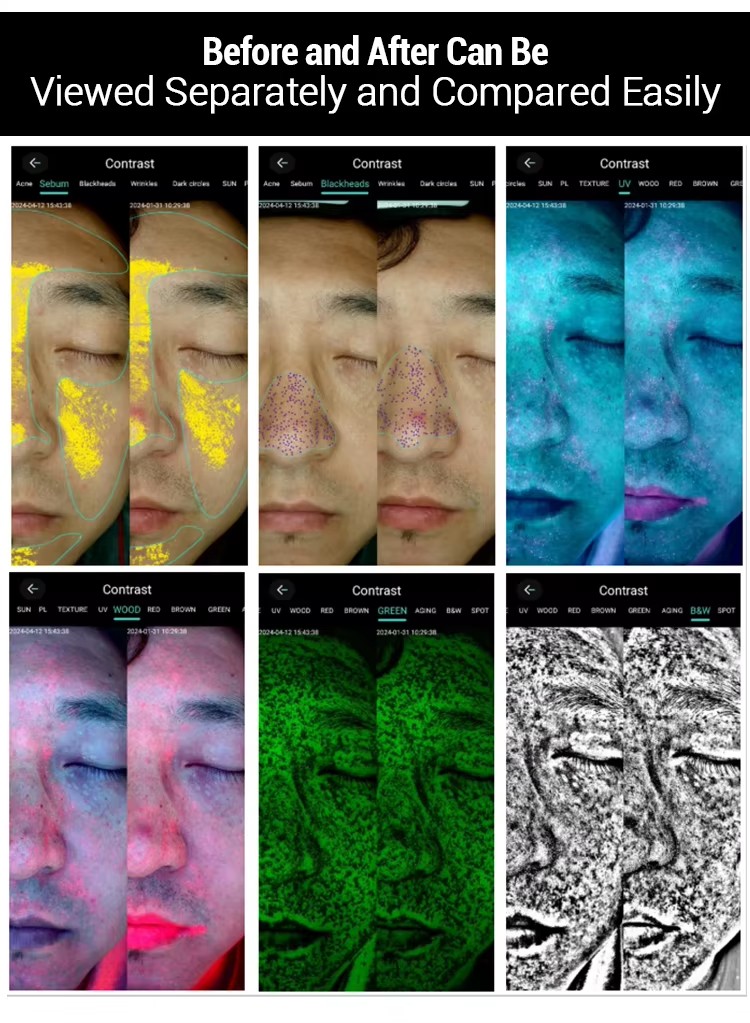
Objective Documentation: Record quantitative data (e.g., 23% reduction in pore size, 15% improvement in skin texture) after a series of treatments .
Legal Documentation: Maintain objective records of a patient's pre-existing skin conditions for medical-legal purposes .
Types of Skin Analyzers
There are several categories available on the market, ranging from portable to high-end systems:
Type Typical Use Key Features
Desktop / Stationary High-end clinics, medical spas Full-face imaging, multiple light sources (5–8 modes), AI scoring, 3D simulation
Portable / Handheld Aestheticians, beauty counters Smaller capture area (cheek/forehead), fewer light modes, mobile app integration
USB / Smartphone Basic consultation Attaches to a smartphone, uses app-based analysis, suitable for entry-level practitioners
Key Benefits
Objective Data: Removes subjectivity from skin assessment; results are based on measurable data .
Enhanced Credibility: Demonstrates professionalism and scientific rigor to patients .
Increased Sales & Conversion: Studies show that clinics using skin analyzers report significantly higher treatment acceptance and product sales because patients can visually confirm their skin issues .
Customized Protocols: Enables truly personalized treatment plans rather than a "one-size-fits-all" approach .
Patient Engagement: Patients feel more involved and informed, leading to higher satisfaction and compliance with post-treatment care.









 Contact WhatsApp
 Contact Email
 Contact Skype